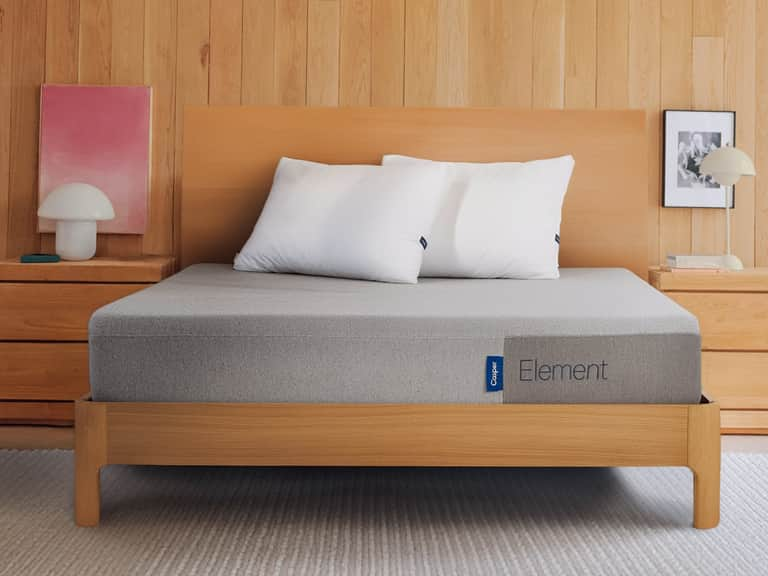
Foam mattresses are engineered to provide a balance of support, contouring, and pressure relief, making them a popular choice for varied sleeping styles. This category highlights polyurethane and memory foam constructions that adapt to body shape while maintaining stability across firmness levels. Understanding different foam densities helps identify suitability for motion isolation and durability.
Memory foam mattresses uniquely respond to heat and weight, allowing for personalized conforming support that can alleviate common pressure points. Key features often include temperature control, zoned support, and memory foam layers that progressively cradle the shoulders, hips, and spine. These properties contribute to longer-lasting comfort in daily use.
In the foam mattress category, several design elements influence sleep quality: transition foams that soften under light pressure, high-density support cores for structural integrity, and breathable covers that promote airflow. When evaluating, consider density ranges, thickness, and the presence of plusher top layers for a balanced mix of comfort and support.
The Element Mattress exemplifies how foam-based systems pair comfort with ergonomic alignment. Its layered construction typically combines a supportive base with contouring foams, delivering consistent spinal support while reducing motion transfer. Functional benefits include improved sleep posture, reduced peripheral pressure, and compatibility with a variety of bed frames.
For readers exploring bedding options, foam mattresses align with preferences for memory foam pillows, sheets, and organic mattresses to create a cohesive sleep environment. Recognizing how foam density, layer composition, and ventilation influence comfort helps determine appropriateness for different sleepers and seasonal temperature changes.
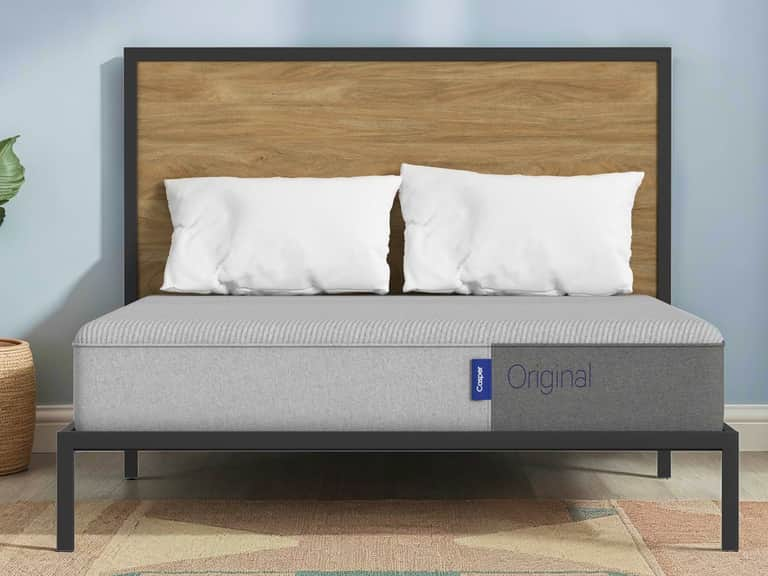 Mattresses